


Apocalypse Archetype
Streaming coming soon
Questions? administration@junginla.org
Ten lectures (1994) on the Book of Revelation, read chapter by chapter as an expression of the apocalypse archetype: the coming of the Self into consciousness, with its terror, destruction and renewal. Edinger links the images to individual analysis and to collective upheavals. Published as Archetype of the Apocalypse (1999).
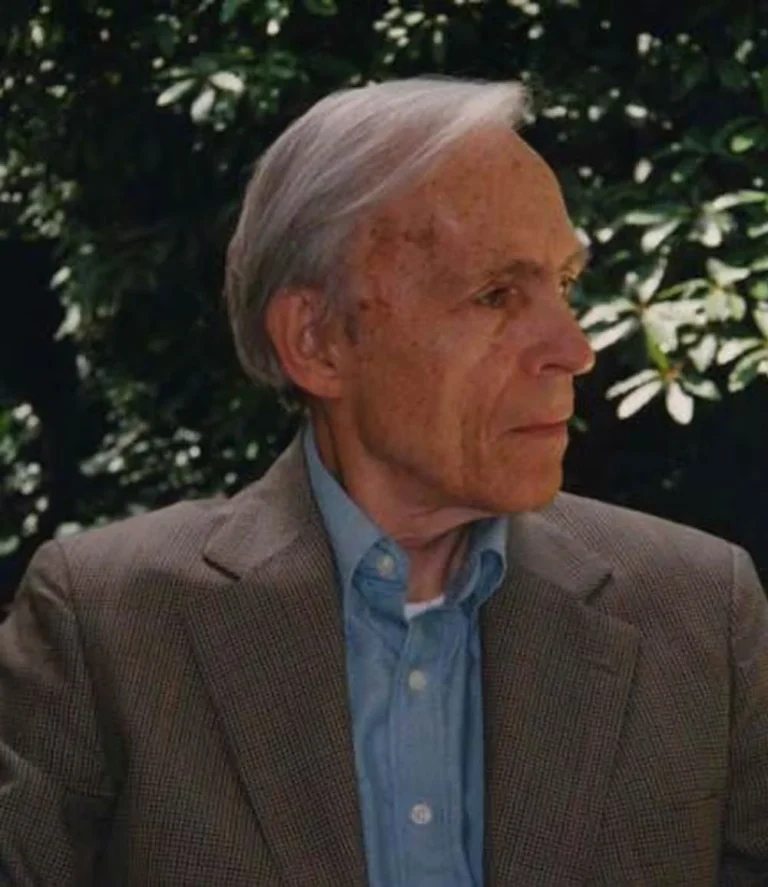
Edward F. Edinger
Edward F. Edinger (1922–1998) was an American psychiatrist and Jungian analyst, widely regarded as one of the most important interpreters of Jung. Trained in medicine at Yale, he worked in analysis with Esther Harding and was a founding member and later president of the C.G. Jung Foundation in New York. In 1979 he moved to Los Angeles, where he was a senior analyst at the C.G. Jung Institute and gave the lecture series recorded here. His books include Ego and Archetype (1972), The Creation of Consciousness (1984), Anatomy of the Psyche (1985) and many volumes drawn from his lectures.
Parts
-
Part 1: Introduction to the Apocalypse Archetype
1:05:40
No assignment: an introduction to ten weeks of close study of Revelation, with the schedule of chapters for each session. Edinger recommends the Jerusalem Bible (or the New Jerusalem Bible) because its notes give all the Old Testament references, and Revelation is full of Old Testament quotations. He introduces the apocalypse as an archetype: the coming of the Self into consciousness.
-
Part 2: Revelation 1u20133: The Son of Man and the Seven Churches
1:05:40
Edinger skips the greeting and starts at verse 9: John on Patmos, 'possessed by the Spirit' on the Lord's day and told to write to the seven churches. Patmos was a prison island, and Edinger notes the psychological meaning of imprisonment, a severe restriction of the natural flow of libido, as the setting for the experience of the numinosum.
-
Part 3: Revelation 4u20135: The Throne and the Lamb
1:08:45
Begins with leftovers from chapters 1u20133, especially 3:20, 'Look, I am standing at the door, knocking'. This is a common dream image of the unconscious clamouring for admission, where the rules of the inner life differ from those for strangers at the real door. Then the throne vision with the four living creatures and the Lamb with the sealed scroll.
-
Part 4: Revelation 6u20137: The Seven Seals
1:01:29
Six items, starting with the symbolism of seven. The whole of Revelation is a 'bombardment' with the archetype of seven: seven lamps, stars, angels, churches and seals, the Lamb with seven horns and seven eyes, and the seventh seal leading into seven trumpets. Then the opening of the seals: the four horsemen, vengeance and falling stars.
-
Part 5: Revelation 8u201310: The Seven Trumpets
1:04:37
Students are asked to add Answer to Job u00b6710u2013716 for next time. First item: the angel with the golden censer at the altar, whose incense rises with the prayers of the saints. Edinger discusses incense and censers, and how the earthly temple and its furnishings are duplicated in heaven. Then the seven trumpets and the angel with the little scroll.
-
Part 6: Revelation 11u201313: The Woman and the Beasts
1:09:49
Opens with the strange image at the start of chapter 11: John is given a measuring rod to measure God's sanctuary, with its prototype in Ezekiel 40's man with a measuring line. Then the two witnesses, the woman clothed with the sun and her child, the war in heaven and the two beasts, read with Jung's Answer to Job.
-
Part 7: Revelation 14u201316: The Seven Bowls of Wrath
1:06:49
After citing Jung's two letters to Upton Sinclair (Letters, vol. 2) on the historical Jesus, Edinger takes up the 'eternal gospel' of Revelation 14:6u20137, on which Jung comments in Answer to Job. Then the harvest of the earth and the seven bowls of wrath, the dark side of the Self released.
-
Part 8: Revelation 17u201318: The Fall of Babylon
1:13:44
'We have essentially only one image': the great harlot, 'Babylon the Great, the mother of all the prostitutes', dressed in purple and scarlet and riding a scarlet beast with seven heads and ten horns, holding a gold cup. A looser session, with time left for questions. Read as the collapse of a collective world view.
-
Part 9: Revelation 19u201320: The Marriage of the Lamb and the Last Judgement
1:08:41
Almost the whole session goes to one image from chapter 20:11: the great white throne and the Last Judgement, with the dead judged from the opened books. Edinger reads the Apostles' Creed ('he shall come to judge the quick and the dead') as the dogmatic core of the Christian myth and explores the image psychologically.
-
Part 10: Revelation 21u201322: The New Jerusalem
1:09:51
The final session. Revelation ends with a grand mandala vision, the New Jerusalem descending from heaven: a perfect cube of 12,000 furlongs, with twelve gates of single pearls, foundations of precious stones, streets of transparent gold, and no temple, 'since the Lord God Almighty and the Lamb were themselves the temple'. The apocalypse as the realisation of the Self.